
Museo del Chocolate Havanna: Discover Argentina's Chocolate Heritage
July 04, 2025

I spent two hours exploring the Museo del Chocolate Havanna and was fascinated by the interactive chocolate-making demonstrations right in the heart of Bariloche. The museum's cafe allowed me to taste several chocolate varieties immediately after learning about their production, making it a complete sensory experience.
Uncover the secret world of Argentine chocolate where ancient indigenous techniques meet modern craftsmanship. Step into Bariloche's Museo del Chocolate Havanna and discover how a simple cacao bean transforms into a cultural masterpiece.
Need-to-Know Info Before Visiting Museo del Chocolate Havanna
5+
images
Museo del Chocolate Havanna Address
Av. Bartolomé Mitre 243, San Carlos de Bariloche, Río Negro Province, Argentina
Museo del Chocolate Havanna Opening Hours
- 🕒 Monday-Friday: 10 AM - 6 PM
- 🕒 Saturday: 10 AM - 4 PM
- 🕒 Sunday: Closed
How to get to Museo del Chocolate Havanna
- 🚗 By car: Easily accessible from downtown Bariloche, street parking available
- 🚌 Public transport: Local bus routes 10 and 20 stop nearby
- 🚕 Rideshare: Uber and local taxi services operate in Bariloche
What is Museo del Chocolate Havanna known for?
- First dedicated chocolate museum showcasing Argentinian chocolate-making traditions
- Interactive exhibits tracing chocolate's journey from cacao bean to final product
- Gift shop featuring Havanna's signature chocolate products
- On-site cafe offering chocolate tastings and local sweet treats
- Guided tours explaining chocolate production techniques unique to Argentina
What is Museo del Chocolate Havanna in San Carlos de Bariloche?
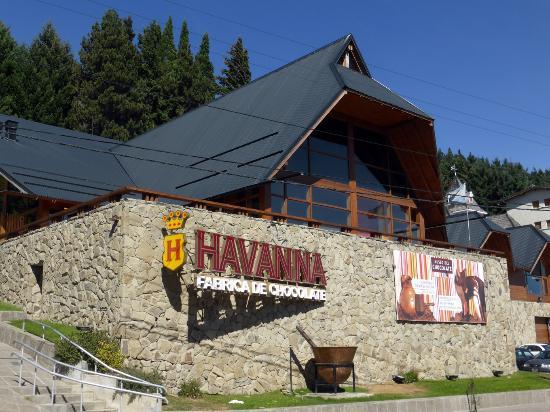
Tucked into the chocolate capital of Argentina, Museo del Chocolate Havanna stands as a testament to Bariloche's sweet culinary reputation. Located in the heart of a region known worldwide for its chocolate production, this museum transforms chocolate from a simple treat into a cultural experience. Travelers and chocolate enthusiasts stop by to understand Argentina's chocolate-making traditions, with thousands of visitors each year exploring the museum's interactive exhibits. The museum isn't just another tourist stop - it's a deep dive into the journey of chocolate from raw cacao to delectable confection. Guided tours walk visitors through the intricate process of chocolate production, highlighting local techniques that make Argentinian chocolate unique. The on-site gift shop and cafe mean visitors can learn about chocolate and immediately taste the region's finest products. While not massive in size, the museum packs a punch with its detailed exhibits and hands-on approach to teaching chocolate's rich history. For international tourists and local chocolate lovers alike, this museum offers a genuine glimpse into Bariloche's most delicious cultural export.
Top things to do at Museo del Chocolate Havanna
- Join a 45-minute guided tour explaining chocolate production from bean to bar, with live demonstrations of traditional Argentinian chocolate-making techniques
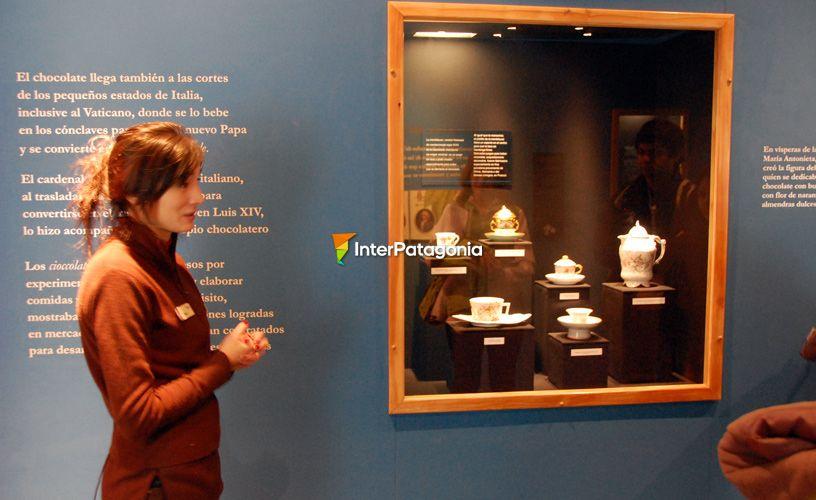
- Explore interactive exhibits tracing chocolate's global journey, featuring displays on cacao cultivation in South America and chocolate's cultural significance
- Participate in hands-on chocolate tasting sessions, sampling different regional chocolate varieties from across Argentina
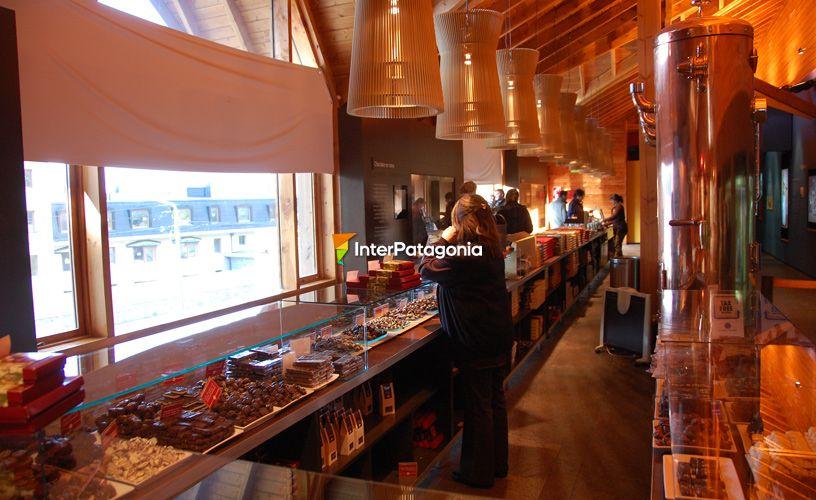
- Visit the museum's gift shop to purchase authentic Havanna chocolate products and local artisan chocolate souvenirs
- Check out the on-site cafe for freshly prepared chocolate drinks and local sweet treats, including traditional Argentine hot chocolate and chocolate pastries
- Watch live chocolate-making demonstrations showing how raw cacao transforms into finished chocolate products using traditional and modern techniques
🎟️ Tickets and Admission
Museo del Chocolate Havanna offers affordable entry for travelers. Adult tickets cost approximately 2,500 Argentine pesos (around $8 USD). Students and seniors receive discounted rates. Online ticket purchasing is available through the museum's official website, which can help you skip lines during peak tourist season. Group discounts are offered for parties of 10 or more visitors. Children under 6 enter free of charge.
📅 Best Time to Visit
Winter months (June to August) in Bariloche are ideal for visiting the chocolate museum. During this time, chocolate becomes an even more appealing attraction with fewer tourists and cooler temperatures. Weekday mornings typically have smaller crowds, allowing for a more relaxed museum experience. Avoid weekends and holiday periods when the museum can get packed with local and international tourists.
History of Museo del Chocolate Havanna
- 1950s: Havanna company founded in Mar del Plata, Argentina, specializing in traditional Argentine alfajores and chocolate production
- 1990s: Company expands chocolate production and begins documenting chocolate-making heritage
- 2005: First dedicated chocolate museum established in Bariloche to showcase company's chocolate-making history
- 2010: Museum renovated to include more interactive exhibits and hands-on chocolate demonstrations
- 2018: Expanded exhibits to include global chocolate production history and local Argentinian chocolate traditions
❗ Tips for Visitors
- Wear comfortable walking shoes for museum tours
- Bring a light jacket, as museum can be cool
- Photography is allowed in most exhibit areas
- English audio guides are available for international travelers
- Plan to spend about 1-2 hours exploring the museum
- Gift shop accepts credit cards and local currency
- Cafe offers free water and restroom access for ticket holders
What are some interesting facts about Museo del Chocolate Havanna?
- The museum's chocolate collection includes rare cacao varieties from indigenous Argentinian tribes, some of which are not found in commercial chocolate production
- Havanna's museum contains a unique exhibit showcasing chocolate-making tools that date back to the early Spanish colonial period in Argentina
- Local chocolate artisans conduct live demonstrations using techniques passed down through generations, some of which have remained unchanged for over 100 years